

Overview
Course Overview
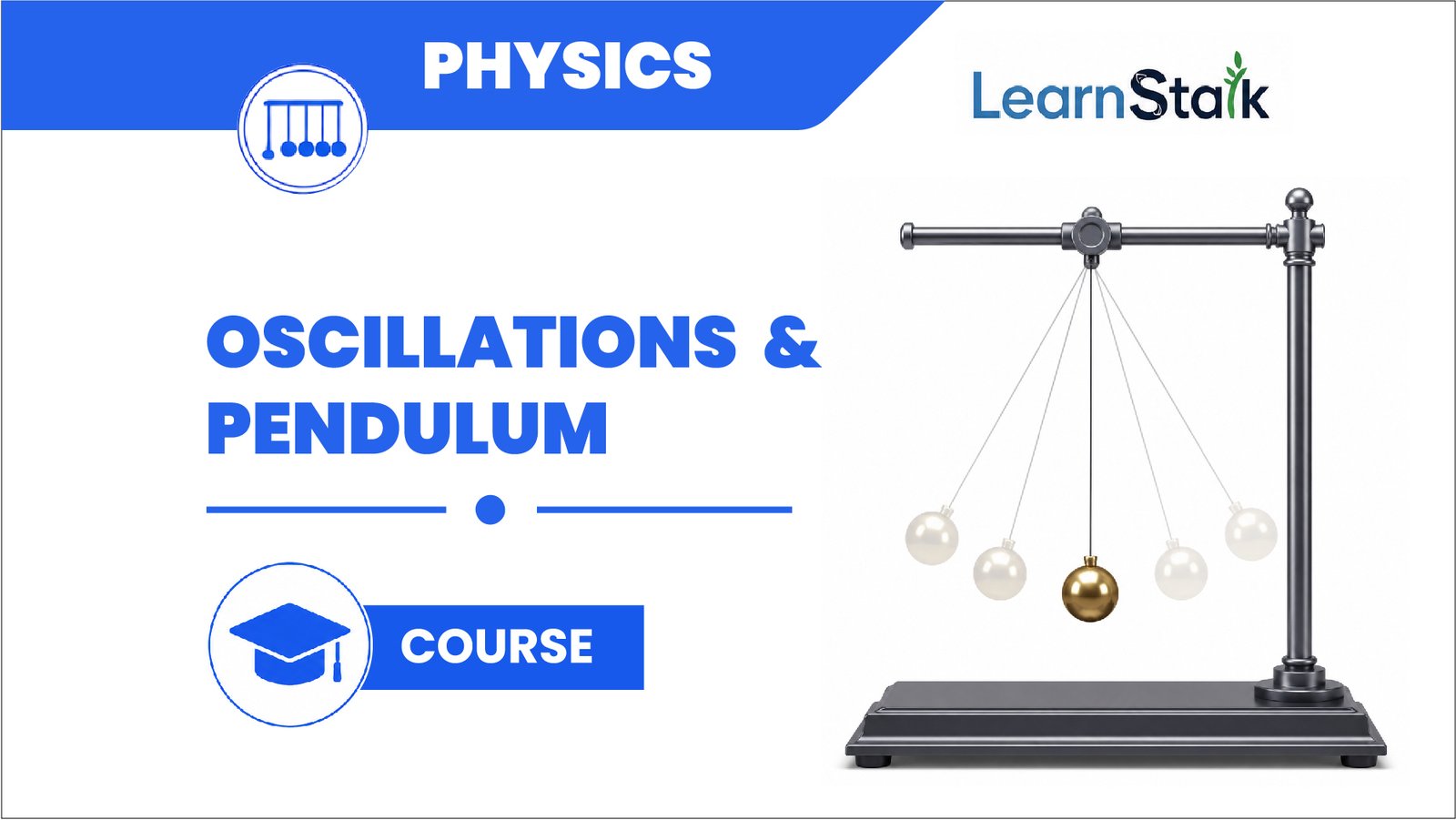
The Oscillations & Pendulum Physics course gives learners a clear, exam-focused mastery of how pendulums and oscillations work—covering oscillation, period, frequency, damping and the practical skill of calculating gravitational acceleration (g) using a simple pendulum. This course is designed for IGCSE and O Level Physics learners who want strong concept clarity, accurate physics vocabulary, and the ability to answer both calculation and practical/investigation questions with confidence.
Using structured explanations, multiple worked examples, exam tips, interactive quizzes, and high-quality LearnStalk explainer videos, learners will build fast recall, strong application skills, and mark-scheme-ready responses.
What You Will Learn
- Define oscillation, identify a complete oscillation, and avoid common exam traps.
- Understand the structure of a simple pendulum and measure length accurately.
- Calculate period (T) and frequency (f) with correct units and working.
- Explain how length and gravity affect motion, and why mass does not.
- Understand damping and apply it to real systems.
- Calculate gravitational acceleration (g) using formulas and graph methods.
- Master practical exam skills: variables, accuracy, error reduction, and investigation writing.
Why This Course Matters
Many learners lose marks in oscillations because they memorize formulas without understanding measurement, interpretation, and exam language. This course builds a connected physics system—helping you understand concepts, apply them correctly, and present answers exactly how examiners expect.
Course Features
- LearnStalk explainer videos aligned to exam standards
- Interactive quizzes & MCQs for exam practice
- Worked examples with clear step-by-step solutions
- Audio recaps for fast revision
- Flashcards for memory reinforcement
- Exam tips & common mistakes to avoid losing marks
- Discussion prompts to strengthen understanding
What You Get
- Full lifetime access to the course
- Structured video lessons with clear explanations
- Quizzes, flashcards, and revision tools
- Downloadable and interactive learning materials
- Certificate of completion after finishing the course
- Access to future updates and improvements
- Earn points and badges as you progress
Who This Course Is For
- IGCSE and O Level students aiming for strong exam performance
- Learners struggling with oscillation concepts and calculations
- Students preparing for mocks, finals, and practical exams
- Anyone who wants a clear, structured revision system
Format & Access
Instant access after purchase. Learn at your own pace with lifetime availability across devices.
Customer Guarantee
Includes 7-day refund policy and support via platform messaging. If you don’t find value, contact us and we’ll make it right.
FAQs
- How do I access the course? You get instant access after purchase on the LearnStalk platform.
- How long do I have access? Lifetime access—learn at your own pace.
- Is this aligned with exams? Yes, it is designed for IGCSE and O Level Physics requirements.
- Refunds? Covered by a 7-day refund policy. See refund page for details.
Course Price
$12.99 — Full Access
Curriculum
- 1 Section
- 6 Lessons
- 3 Hours
You May Like
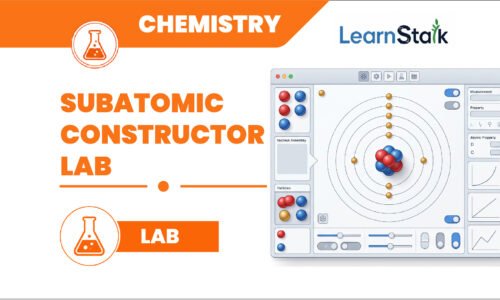
Subatomic Constructor Lab
The Subatomic Constructor Lab transforms atomic theory from abstract diagrams into an interactive, hands-on building experience. By dragging protons, neutrons, and electrons into their correct...
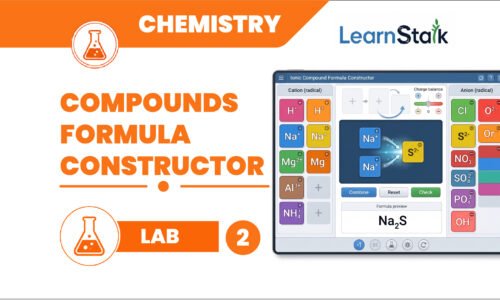
Radical Compounds Formula Constructor
The Formula Constructor lab turns the challenging topic of writing ionic formulas with radicals into an interactive, logical process. Instead of memorising lists, you drag...
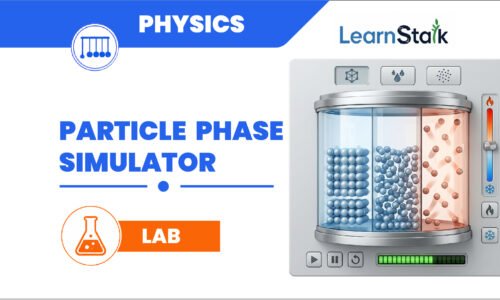
Particle Phase Simulator
The Particle Phase Simulator is an interactive virtual laboratory that brings the particle model of matter to life. By controlling heat input and observing real-time...
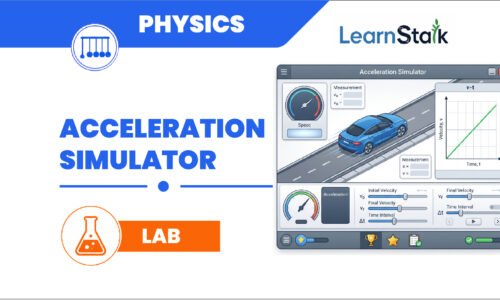
Acceleration Explorer
Acceleration Explorer — Motion Lab is an interactive virtual physics lab that transforms abstract acceleration concepts into real-time, visual learning. Designed for IGCSE/O Level students...
Circular Motion Simulator
Orbit & Spin — The Circular Motion Lab is an interactive simulation that transforms abstract physics concepts into a hands-on learning experience. Adjust speed, radius,...
Course Features
- Lectures 6
- Quiz 0
- Duration 3 hours
- Skill level Beginner
- Language English
- Students 53
- Certificate No
- Assessments Yes
"An outstanding and comprehensive course that demystifies the principles of oscillations and pendulum motion. The lessons are clear, practical, and perfect for both beginners and advanced learners seeking a deeper understanding of physics."