




SEO-Driven Storytelling Advantage is a strategic playbook that shows you how to merge search engine optimization with persuasive storytelling to attract, engage, and convert audiences at scale. Learn how to move beyond keyword stuffing and build narrative-driven content systems that rank, resonate, and drive measurable business results.
Audience intent mapping frameworksto align content with real search behavior.
Keyword clustering and narrative structuringfor high-ranking, engaging content.
Scalable content systems and SEO optimizationto drive long-term traffic and conversions.
Instant PDF download • Secure checkout • 7-day refund
SEO-Driven Storytelling Advantage teaches you how to transform traditional SEO into a narrative-driven growth engine. Instead of chasing rankings blindly, this guide shows you how to align search intent, content structure, and storytelling psychology to create content that ranks consistently and converts effectively.
What You Get
Complete ebook (PDF)
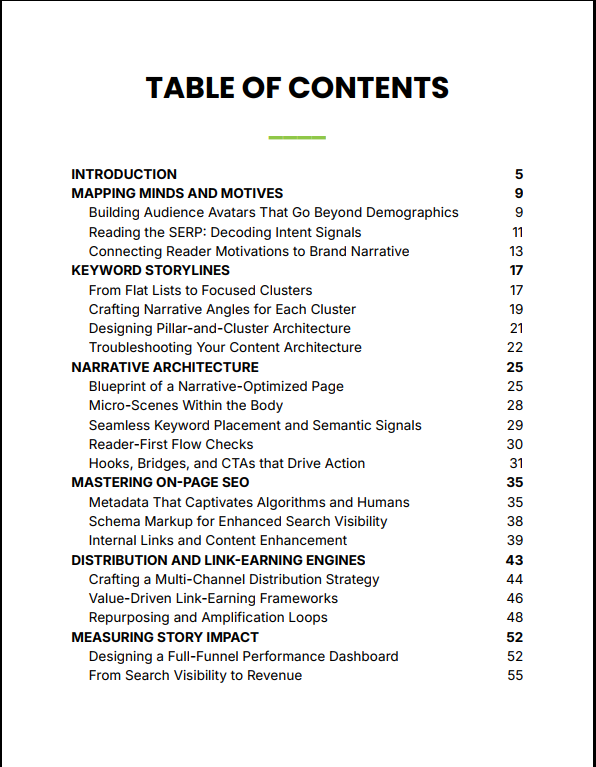
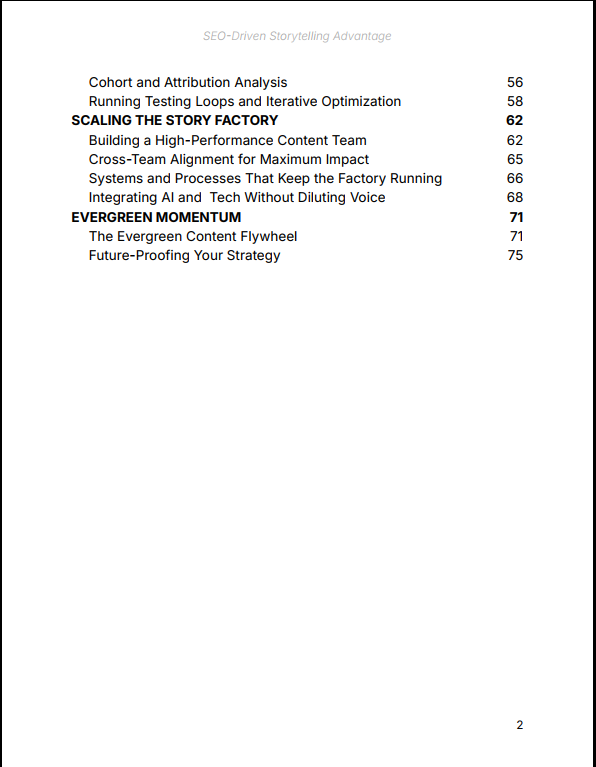
Contents
Introduction
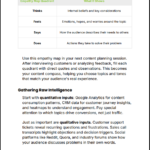
Mapping Minds and Motives: audience avatars, intent decoding, narrative alignment
Keyword Storylines: clustering, angles, and pillar content systems
Narrative Architecture: content flow, keyword integration, and conversion structure
Mastering On-Page SEO: metadata, schema, and internal linking
Distribution and Link-Earning Engines
Measuring Story Impact: dashboards, attribution, and optimization loops
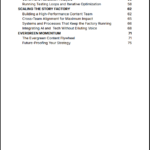
Scaling the Story Factory: teams, systems, and AI integration
Most SEO strategies fail because they focus only on algorithms and ignore human psychology. SEO-Driven Storytelling Advantage bridges that gap by teaching you how to engineer content that satisfies both search engines and real readers—turning traffic into engagement and engagement into revenue.
Features
Step-by-step frameworks for SEO and storytelling integration
Real-world content structures for blogs, landing pages, and funnels
Scalable systems for teams and solo creators
Who This Book Is For
Content creators and bloggers aiming to rank and convert
Entrepreneurs building organic traffic channels
Marketers looking to systemize SEO content production
Format & Delivery
Instant PDF download after purchase. The book link is sent to your email and can also be accessed in the My Books page.
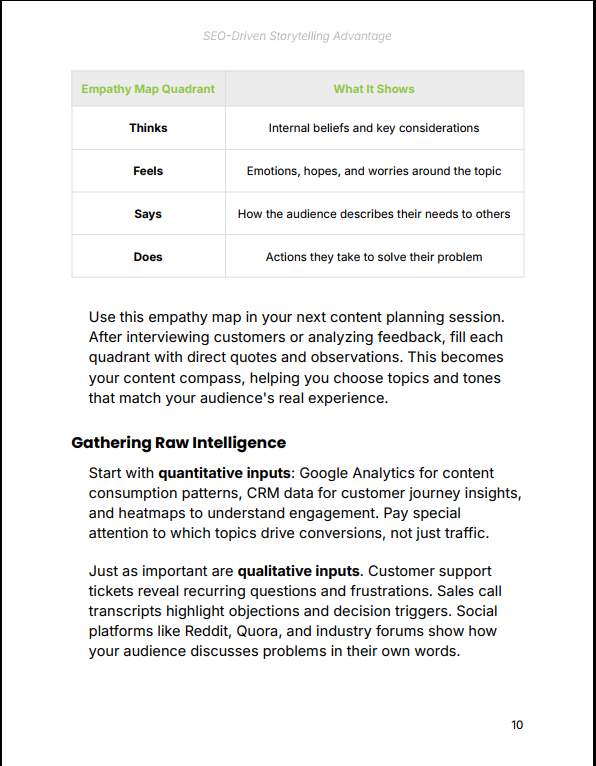
Sample
Read a free sample chapter above.
Customer Guarantee
LearnStalk Promise: Instant PDF access • 7-day refund • Support via messaging. If you don’t see clear value, contact us and we’ll resolve it.
FAQs
How will I receive the book? Instant PDF link after purchase; check spam if you don’t see the email. It can also be accessed in the My Books page.
What format? PDF (standard).
Refunds? 7-day refund policy—see refund and return policy below or contact support with your order number.
Book Overview
LearnStalk Physics O-Level 2nd Edition is a complete, exam-focused physics mastery guide designed to simplify complex concepts, strengthen problem-solving…
Used to determine whether a user is included in an A / B or Multivariate test.
18 months
_ga
ID used to identify users
2 years
_gali
Used by Google Analytics to determine which links on a page are being clicked
30 seconds
_ga_
ID used to identify users
2 years
_gid
ID used to identify users for 24 hours after last activity
24 hours
_gat
Used to monitor number of Google Analytics server requests when using Google Tag Manager
1 minute
_gac_
Contains information related to marketing campaigns of the user. These are shared with Google AdWords / Google Ads when the Google Ads and Google Analytics accounts are linked together.
90 days
__utma
ID used to identify users and sessions
2 years after last activity
__utmt
Used to monitor number of Google Analytics server requests
10 minutes
__utmb
Used to distinguish new sessions and visits. This cookie is set when the GA.js javascript library is loaded and there is no existing __utmb cookie. The cookie is updated every time data is sent to the Google Analytics server.
30 minutes after last activity
__utmc
Used only with old Urchin versions of Google Analytics and not with GA.js. Was used to distinguish between new sessions and visits at the end of a session.
End of session (browser)
__utmz
Contains information about the traffic source or campaign that directed user to the website. The cookie is set when the GA.js javascript is loaded and updated when data is sent to the Google Anaytics server
6 months after last activity
__utmv
Contains custom information set by the web developer via the _setCustomVar method in Google Analytics. This cookie is updated every time new data is sent to the Google Analytics server.
2 years after last activity
SourceBuster is used by WooCommerce for order attribution based on user source.
Name
Description
Duration
sbjs_first
Traffic origin information for the visitor’s first visit to your store (only applicable if the visitor returns before the session expires)
session
sbjs_current
Traffic origin information for the visitor’s current visit to your store
session
sbjs_first_add
Timestamp, referring URL, and entry page for your visitor’s first visit to your store (only applicable if the visitor returns before the session expires)
session
sbjs_current_add
Timestamp, referring URL, and entry page for your visitor’s current visit to your store
session
sbjs_migrations
Technical data to help with migrations between different versions of the tracking feature
session
sbjs_session
The number of page views in this session and the current page path
30 minutes
sbjs_udata
Information about the visitor’s user agent, such as IP, the browser, and the device type
session
Marketing cookies are used to follow visitors to websites. The intention is to show ads that are relevant and engaging to the individual user.
Name
Description
Duration
affwp_ref
Stores the referring affiliate ID for commission attribution.
1 day
affwp_ref_visit_id
Stores the visit ID linked to the referring affiliate.
1 day
affwp_campaign
Stores the affiliate campaign name for tracking purposes.